



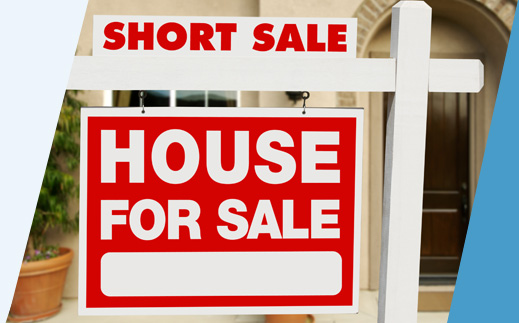
Everything You Need to Know About a Short Sale with Freedom Mortgage
Whether you’re just learning about short sales or you’re ready to begin the process, Freedom Mortgage is here to help you
If you're experiencing financial hardship and can no longer afford your home, a short sale may be an option to help you avoid foreclosure.
Whether you're just learning about short sales or you're ready to begin the process, Freedom Mortgage is here to help you understand your options and guide you through each step. Please contact us at 855-690-5900 and ask for our Short Sale Department to learn more about what options may be available to you.
1. Learn
What Is a Short Sale?
A short sale is when a homeowner sells their home for less than the amount still owed on their mortgage, and the mortgage company agrees to accept the proceeds from the sale as part of the payoff.
Unlike a traditional home sale, a short sale must be approved by the mortgage company before the sale can be completed. The mortgage company will review your financial situation, the proposed sale, and other factors to determine whether a short sale may be approved.
It may be an option that could help you avoid foreclosure while allowing you to transition out of homeownership. Plus, if you make late mortgage payments, you could damage your credit score and potentially face fees and penalties.
Every homeowner's situation is different, so we encourage you to contact us at 855-690-5900 as early as possible. We'll review your circumstances, discuss the options that may be available, and help you understand the best next steps.
Why Consider a Short Sale?
Every situation is unique, and a short sale isn't the right option for everyone. A homeowner may consider a short sale if:
- They're experiencing financial hardship.
- They can no longer afford their mortgage payments.
- Their home's value is less than the mortgage balance.
- They're looking for an alternative to foreclosure.
Short Sale vs. Foreclosure
While both a short sale and foreclosure involve homeowners who can no longer keep their homes, they are very different processes. Understanding these differences can help you make a more informed decision about your options.
| Short Sale | Foreclosure | |
| Process | Voluntary sale | Legal foreclosure process |
| Lender Involvement | Requires lender approval | Lender takes ownership of the property |
| Homeowner Involvement | Homeowner participates in the sale process | Property is foreclosed upon |
| Outcome | May help avoid foreclosure | Results in foreclosure |
| Control Over the Process | Some | None |
| Credit Impact | Moderate | Severe |
| Timeline | 6–12 months | A few weeks to months |
| Eligibility to Buy Again* | 2–4 years, depending on loan type | 2–7 years, depending on loan type |
| Your Obligations | Find a buyer; negotiate short sale with lender | None |
2. Explore
How the Short Sale Process Works
- Step 1 – Contact Us: As your lender, Freedom Mortgage will need to agree to a short sale. You should reach out as soon as you begin struggling to make payments to discuss your options.
- Step 2 – List Your Property: Work with a licensed real estate agent or sell the property yourself.
- Step 3 – Receive an Offer: Once a buyer makes an offer, you'll begin preparing your short sale package.
- Step 4 – Submit Your Request: Provide all required documentation so we can begin reviewing your request. Typically your real estate agent will provide most documents after you've had them complete an authorized third-party request to act on your behalf.
- Step 5 – Lender Review: We'll review your documentation and arrange for a property valuation.
- Step 6 – Lender Decision: We'll determine whether the proposed short sale meets program requirements.
- Step 7 – Closing (If Approved): We'll coordinate closing with all parties involved.
What Happens After I Submit My Short Sale Package?
After we receive your complete package, Freedom Mortgage will:
- Review your documentation
- Order a property valuation
- We may request additional information
- Evaluate the proposed sale
- Notify you once a decision has been made.
- If approved, we'll work toward scheduling the closing
Throughout the process, we'll communicate with you if additional information is needed.
3. Prepare
Documents You'll Need
Preparing your documents early can help keep your short sale move forward.
- Third Party Authorization: If you're working with a real estate agent, this allows Freedom Mortgage to communicate directly with your agent throughout the short sale process.
- Listing Agreement: Confirms your property has been listed for sale.
- Purchase Agreement: Once you've accepted an offer, you'll submit the signed purchase agreement.
- Closing Disclosure or Settlement Statement: Provides the financial details of the proposed sale for review.
- Additional Documentation: Depending on your situation, additional documentation may be requested before a decision can be made.
What Can Affect My Timeline?
- Missing documentation
- Active insurance claims
- Buyer financing delays
- Additional approvals that may be required
Special Situations
- Additional Liens: If your property has HOA liens, tax liens, or other liens, additional review may be necessary before the sale can proceed.
- Solar Panels: If your home has financed solar panels or another equipment lien, additional coordination may be required before closing.
- Property Damage: If your property has significant damage or an active homeowners insurance claim, let us know as early as possible.
- Property Condition Changes: Please notify us if the condition of your property changes while your short sale is being reviewed.
Tips for a Smoother Short Sale
Some factors may increase the amount of time needed to complete the review, such as missing documentation, active insurance claims, buyer financing delays and more. Help keep your short sale moving by:
- Submitting complete documentation
- Responding promptly to requests
- Keeping your real estate agent informed
- Informing us of liens early
- Letting us know if your property's condition changes
Please contact us at 855-690-5900 and ask for our Short Sale Department to learn more about what options may be available to you.
4. Pros and Cons
Choosing to pursue a short sale is an important financial decision. While it may provide a path to avoid foreclosure, it's important to understand both the advantages and potential drawbacks before moving forward.
Pros
- May help avoid foreclosure.
- Allows you to sell your home even when you owe more than the home's current value.
- Gives you the opportunity to work directly with your mortgage company throughout the process.
- Provides a structured transition out of homeownership.
- May offer greater control over the outcome than a foreclosure.
Cons
- Approval from the mortgage company is required.
- The review process can take several weeks or longer.
- The proposed sale must meet investor and program requirements.
- Your credit may be affected.
- Not every short sale request is approved.
5. Alternatives to a Short Sale
There may be alternatives that allow you to stay in your home or resolve your mortgage challenges in a different way.
- Loan Modification: If you qualify, modifying your loan may reduce your monthly payment or make your mortgage more affordable.
- Repayment Plan: If you've fallen behind because of a temporary hardship, a repayment plan may allow you to gradually catch up on missed payments.
- Forbearance: In certain situations, a temporary pause or reduction in mortgage payments may be available while you recover from a financial hardship.
- Other Home Retention Options: Depending on your eligibility, there may be additional mortgage assistance programs available that can help you remain in your home.
The earlier you contact us, the more options may be available. Our specialists can review your individual circumstances, explain available solutions, and help you determine the next best step.
6. Take Action
If you believe a short sale may be the right option for your situation, our specialists are here to guide you through every step. Please contact us at 855-690-5900 and ask for our Short Sale Department to learn more about what options may be available to you. We are available Monday—Friday, 8 AM—8 PM ET, and Saturday from 9 AM—2 PM ET.
Short Sale FAQs
How long does a short sale usually take?
Every short sale is different. The timeline depends on factors such as the completeness of the required documentation, the property's value, and the details of the transaction. Once we receive all required documents—including a signed purchase agreement—we'll review your request. The review and closing process generally takes several weeks.
Will a short sale affect my credit?
A short sale may affect your credit, but the impact varies depending on your overall financial situation, payment history, and other factors. If you have questions about how a short sale may affect your credit, you may want to speak with a financial or credit advisor.
Can my short sale be denied?
Yes. Approval depends on several factors, including the property's value, the purchase offer, investor or insurer requirements, and the documentation provided. We'll review your request and let you know if any additional information is needed.
Can foreclosure continue while my short sale is being reviewed?
Depending on your situation, foreclosure proceedings may continue while your short sale is under review. It's important to continue responding to requests for information and stay in communication with us throughout the process.
Are short sale homes sold “as-is”?
In many cases, yes. Short sale properties are typically sold in their current condition, as homeowners may not be able to make repairs before the sale. The terms of the sale are negotiated between the buyer and seller but remain subject to lender approval.
Can I stay in my home during the short sale process?
In most cases, yes. You can typically continue living in your home while your short sale is being reviewed and until the sale closes. Continue maintaining the property and responding promptly to requests for information throughout the process.
Do I need a real estate agent?
While requirements can vary, many homeowners choose to work with a real estate agent who has experience with short sales. An experienced agent can help market your home, negotiate with buyers, and coordinate the documentation needed throughout the process.
What happens after my short sale is approved?
Once your short sale is approved, you'll receive the approval terms, and the transaction can move toward closing. Your real estate agent, closing company, and other parties will work together to complete the sale.
About Delinquency and Foreclosure at Freedom Mortgage
Do you have questions about mortgage delinquency and foreclosure?

What Happens If You Pay Your Mortgage Late?
Understand More About Our Grace Periods and Late Fees

Understanding Your Monthly Mortgage Statement
About Your Payment Amount, Payment Date, Escrow Balance, and More